Many injection molding applications demand high-end finishes. This is especially true for consumer products, automotive interiors, and electronics housings, where surface quality directly impacts value.
One of the most advanced approaches to achieving this balance is Heat & Cool (H&C) Technology. This process dynamically controls mold temperature during each cycle, improving surface quality while maintaining efficient production.
Standard Injection Molding vs. The Heat and Cool Approach
In traditional injection molding, the mold temperature remains relatively constant throughout the cycle. This temperature is typically set around the glass transition temperature of the polymer. It’s the point at which the material transitions from a rigid state to a more flexible one. Maintaining this constant temperature allows for predictable curing times. But, it may limit the achievable surface finish and increase the risk of cosmetic defects.
Heat & Cool technology introduces a dynamic temperature management strategy. Instead of maintaining a fixed mold temperature, the process deliberately varies the temperature of specific mold areas during each injection cycle.
These areas are typically the surfaces where visual quality is most important, such as glossy exterior sections of a plastic component.
The Heating and Cooling Process: Key Stages
Rapid Heating Before Injection
Right before injection begins, the system quickly heats targeted mold areas. The higher temperature keeps the polymer fluid longer as it touches the mold surface.
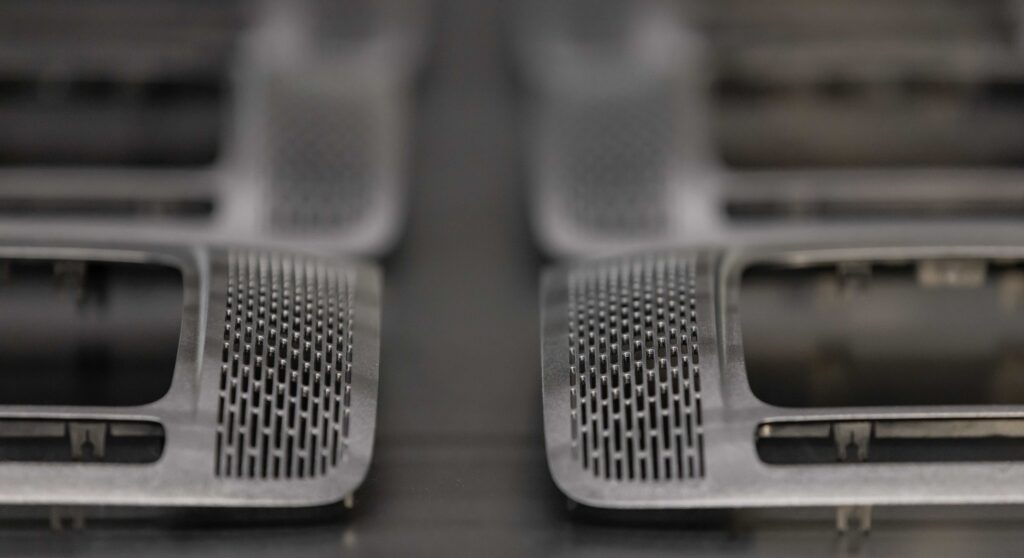
This allows the material to capture fine textures with precision. As a result, parts achieve a smoother, glossier finish. The process also reduces defects like sink marks caused by shrinkage during cooling.
Rapid Cooling After Injection
Immediately after the mold cavity is filled, the temperature of those heated zones is rapidly reduced back toward the polymer’s glass transition temperature. This controlled cooling accelerates the curing process and ensures that the production cycle remains efficient despite the temporary heating phase.
By carefully timing this thermal switch within every cycle, Heat & Cool technology combines the aesthetic advantages of high mold temperatures with the productivity of fast cooling.
When to Choose Heat & Cool Technology
H&C technology works best for parts where appearance matters most. In these cases, reducing sink marks, flow lines, and other imperfections increases product value. Common applications include:
- High-gloss consumer products
- Automotive interior components
- Electronics housings
- Premium appliance parts
Fluid-Based Heat & Cool: A More Sustainable Solution
While several technical approaches exist for implementing Heat & Cool processes, like Induction Heating, Tecnostamp Triulzi is using Fluid-Based systems which offer a particularly sustainable and energy-efficient solution.
In Fluid-Based Heat & Cool technology, water is the thermal medium to both heat and cool the mold through dedicated channels. The system alternates between hot and cold water circulation within the same thermal circuit, allowing rapid temperature transitions during the injection cycle.
This approach delivers several sustainability advantages:
Efficient Heat Transfer and Lower Energy Consumption
Because water transfers heat more efficiently than many alternative systems, the energy required to heat and cool the mold can be reduced. The result is a more energy-efficient production process.
Closed-Loop Circulation
The water used in the system is typically circulated in a closed loop. Instead of being consumed, it is continuously reused within the thermal control unit. This significantly limits water consumption and minimizes environmental impact.
Reduced Material Waste
Improved mold filling and reduced shrinkage defects mean fewer rejected parts and less material waste. This is another important sustainability benefit.
Enabling High-Quality and Responsible Manufacturing
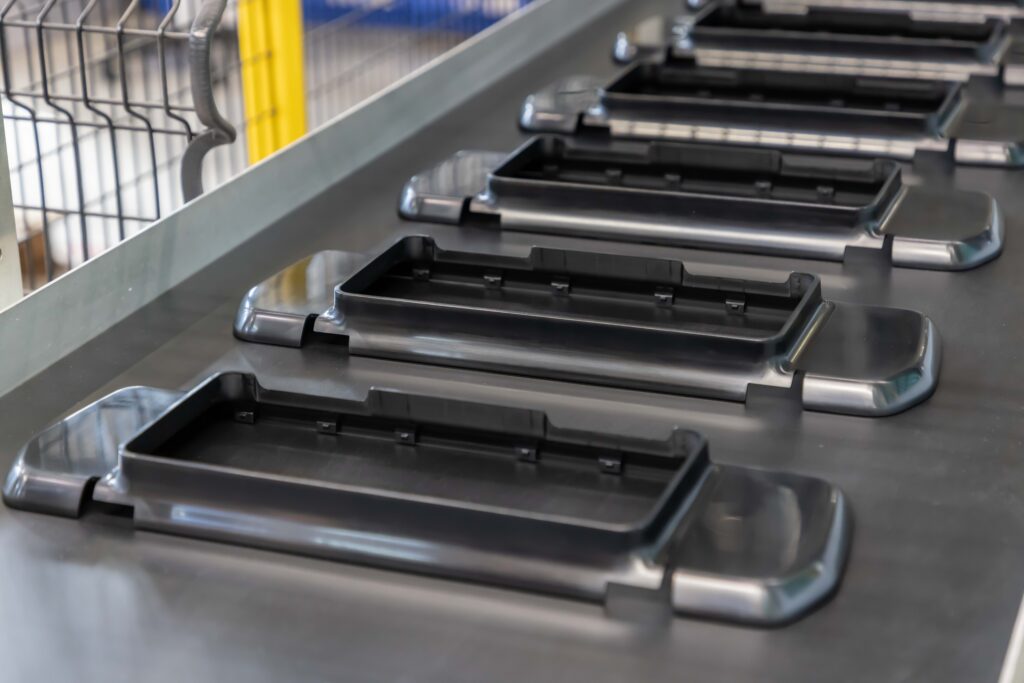
Heat & Cool technology represents a powerful evolution in injection molding. By dynamically controlling mold temperature, Tectriu can produce parts with exceptional surface quality, minimal defects, and consistent performance.
When implemented through Fluid-based thermal management using water, the technology also supports sustainable production practices, combining efficient energy use, reduced material waste, and responsible resource management.
For companies seeking both superior product aesthetics and environmentally conscious manufacturing solutions, Tectriu with Heat & Cool technology offers a clear path forward, delivering high-performance molding while aligning with the sustainability goals shaping the future of industry.
Experience Makes the Difference
Implementing Heat & Cool technology successfully requires more than simply installing specialized equipment. It demands deep expertise in mold engineering, process integration, thermal management, and sensor-driven control systems.
From mold design and conformal channel integration to advanced thermal control and intelligent process monitoring, every element must work together seamlessly and Tectriu excels in all the above.
For companies considering the adoption of Heat & Cool technology, partnering with experienced specialists like Tectriu ensures that each aspect of the process is carefully engineered and optimized, and eventually a guaranteed successful project.